A month at the Trust (October 2026)
September saw the post-winter monsoon dying out, thankfully, and a return to warmer days ahead. Our Kiwi Listening Survey has been the Trust's main extracurricular activity during the last month, and will continue for a week or two more into October.
A small team of volunteers blitzed the construction of 17 stoat/rat traps to be deployed by helicopter onto Bealey Spur this month to extend the higher altitude trap-lines into a large loop around the tarn area.
September's predator capture results are below (previous year September stats are in brackets)...
Stoats: 3 (2)
Weasels: 0 (1)
Rats: 38 (29)
Mice: 9 (1)
Wild Cats: 1 (0)
Possums: 10 (5)
Hedgehogs: 1 (0)
Pigs: 0 (3)
Over the past month we have welcomed aboard 8 new volunteers - Will, Tom, Aaron, Ali, Elena, and Fergus (and whanau); many thanks for wanting to help out the Trust! We are just about to hit 170 members!
Upcoming activities this month include a Braided River Bird Survey (16 or 17 October), and a Trap Building Workshop in Christchurch (31 October).
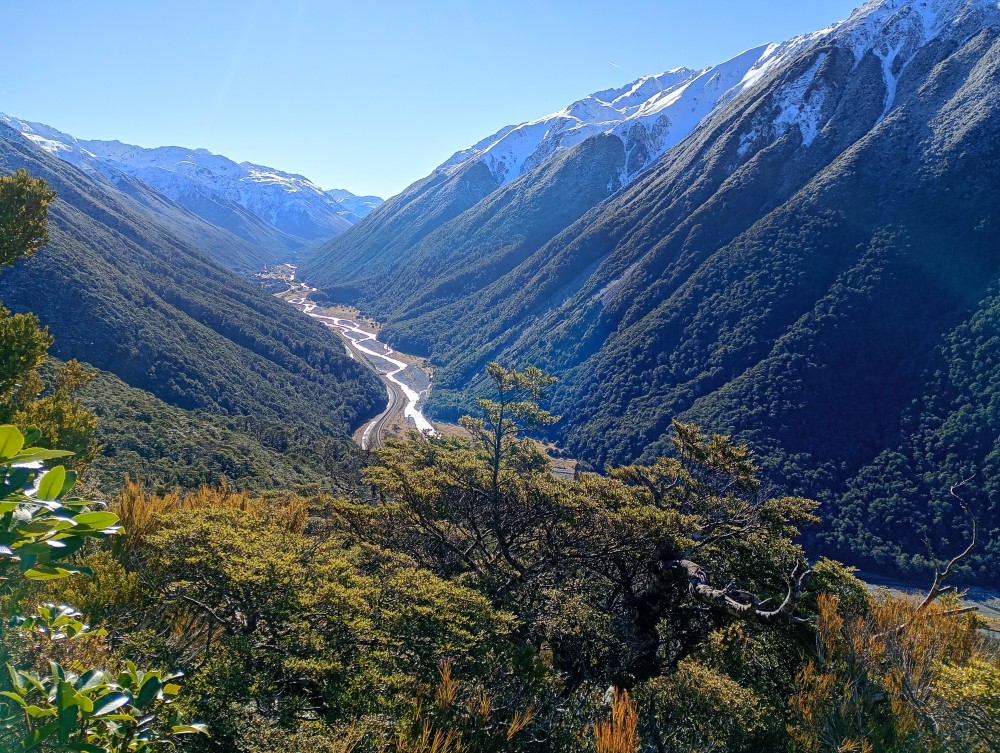
Top Image: Bealey Valley
Kakariki Karaka sighting in our trapping zone (October 2026)
 by Jamin Barkley
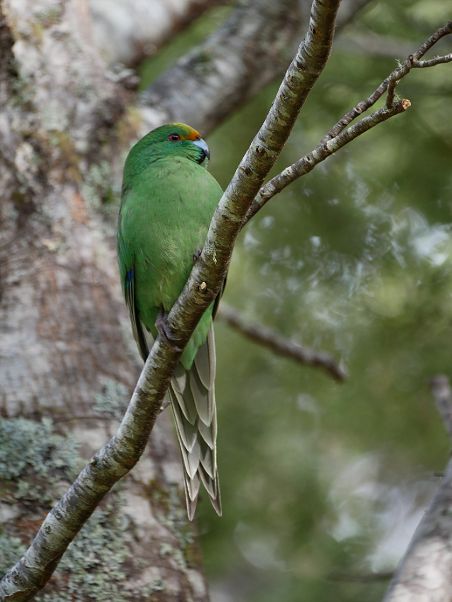
I was excited to identify an Orange Fronted Parakeet (OFP)/Kakariki Karaka inside the APWT trapping Zone in early September this year. As an ex-OFP field ranger I am always on the lookout for them although I don’t usually have time to chase down most Kakariki I hear. Thankfully this one called close to the APWT trap line I was checking. It's in an area I regularly hear Kakariki and identify about 1-3 Yellow Crowned Parakeet (YCP) per year. To my surprise this was a OFP hanging out with another YCP that I got to observe for about 10 min as they fed in the top of pole Mountain Beech trees. Very glad that I had my trusty binoculars and took the time to look for the Kakariki. It is the first time that I have seen one outside of their known locations. It was a beautiful sunny day, I also got to hear and see a couple of Kaka flying by, along with a few Whio on the river later in the day. One of the great days of trapping with the APWT.
Top Image: A Kakariki Karaka from a different time and place (Copyright Jamin Barkley)
Hohoro returns! (October 2026)
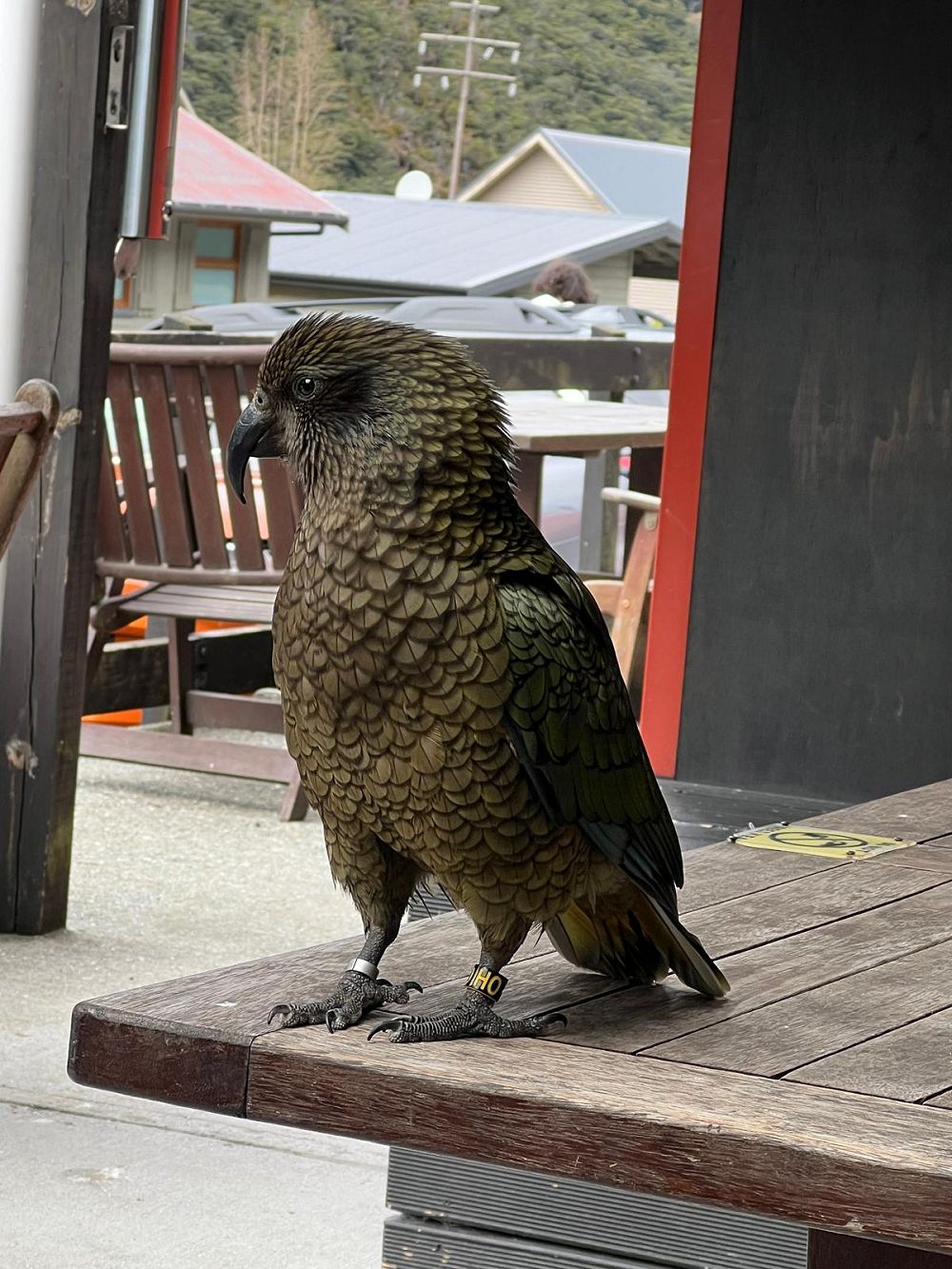
Hohoro (the Kea) was released back into the Bealey Valley on the 18 September. He had spent 48 days at the South Island Wildlife Hospital after mysteriously breaking his beak, and was unable to feed himself.
A lot of people fall in behind Hohoro's story, from Arieta at the Store noticing his plight, the capture (Nic, Viv & Graeme), the transport to Christchurch (Renée), the fabulous team at the South Island Wildlife Hospital (Pauline and her 45 dedicated volunteers) for going to great lengths to mend his beak, and rehabilitate him, and to Beverley for his final transport & release back into Arthur's Pass.
Shortly after his release at the Arthur's Pass Community Centre, he was spotted on the crest of The Store roof, just quietly sitting there for hours, watching the coming & goings of other Kea.
He can be easily spotted now with his new, quite appropriate, yellow "HO" on black leg band.
Welcome back Hohoro, and please stay out of trouble!
Top Image: Hohoro back home (Photo - Laura Young)
High Pathogenicity Avian Influenza (HPAI) Update (October 2026)
HPAI (H5N1) continued to spread rapidly throughout Australia over the last month, having now been found in wild populations of sea birds and mammals. Of late it has been found in two red foxes (introduced predator to AU), an Australian Common Dolphin, and a Bottlenose Dolphin. The total number of confirmed and suspected cases of H5N1 in Australia now stands at
686 (5 Oct). For a disturbing picture of how it's travelling through species visit the
AU Department of Agriculture website.
In New Zealand we are still sitting at 3 confirmed cases. The first being a brown skua, the second a kāhu (swamp harrier) found near Carterton in the Wairarapa, and most recently in late August a northern giant petrel in the Wairarapa. Even though the case numbers are low here, it is not a time for complacency, as these are only the birds found along our extensive, accessible shorelines, there is certain to be more, and from this it will be spreading silently.
Risk to other NZ animals
HPAI (H5N1) can move rapidly through sea birds that live in colonies. All waterfowl are at risk. Pinnipeds such as fur seals and sea lions are very susceptible to the virus. Any bird of prey (kāhu, NZ Falcon, Morepork) can also acquire the virus due to feeding on carrion or infected animals. Domestic poultry can be at high risk because of outdoor interactions with wild infected birds, and their stocking density allows for rapid spread. Livestock (dairy cattle & potentially goats) can also acquire the virus. Domestic cats and carnivores such as mustelids (ferrets, stoats, weasels) can also be infected.
The Arthur's Pass Perspective
There are vectors that could potentially bring HPAI into the Park, these include birds that hunt or visit coastal areas (Black-backed gulls, and may even include Kea that visit the West Coast coastline seeking fat during the early winter months). Unwashed hens eggs (that the Trust uses as bait) could also carry the virus from an infected poultry farm - hence we remain vigilant to any outbreaks in commercial poultry farms in the South Island (our egg "seconds" are sourced from commercial farms).
The virus can be carried in faeces and vomit, so there is potential for people (trappers) to move it about the environment particularly on footwear (see below).
Advice to Trappers from DOC
- Commercial eggs are fine to use in traps – the transmission risk is extremely low for commercial eggs due to good controls in commercial poultry farms. If using free range eggs, ensure they come from sources you know are HPAI free.
- Trappers – keep an eye out for sick and dying birds and follow this advice...
- Do not touch, handle or move sick or dead birds or other wildlife.
- If you see 3 or more sick or dead wild birds, marine mammals or other wildlife in one place call MPI’s exotic pest and disease hotline 0800 80 99 66. State location, species and take photos.
- Visit MPI’s website for more information about bird flu and check out the HPAI Operation Hub for any additional actions within your region response plan.
- Predator control makes a big difference to native birds so please keep trapping. These current recommendations are designed to keep you safe.
- Wear closed footwear and use gloves (either rubber-fingered gardening gloves or disposable gloves) to handle dead animals.
- If you use a phone to record trap data, either put it inside a sealable plastic bag before you start or have an alcohol wipe or hand sanitiser and tissue ready to disinfect it at the end.
- When you’ve finished trapping:
- Put used gloves in a bag to wash at home, or bin disposable gloves.
- Take your phone out of the plastic bag and dispose of the bag, or wipe down the phone.
- Change into clean clothes and put trapping clothes in the wash.
- Wash your hands with soap and water, or sanitise them.
- Scrub and disinfect your footwear and any equipment with 10% bleach or 1% SteriGENE.
More Information
Kiwi Hui Talk :
Click HereMPI :
Click HereDOC :
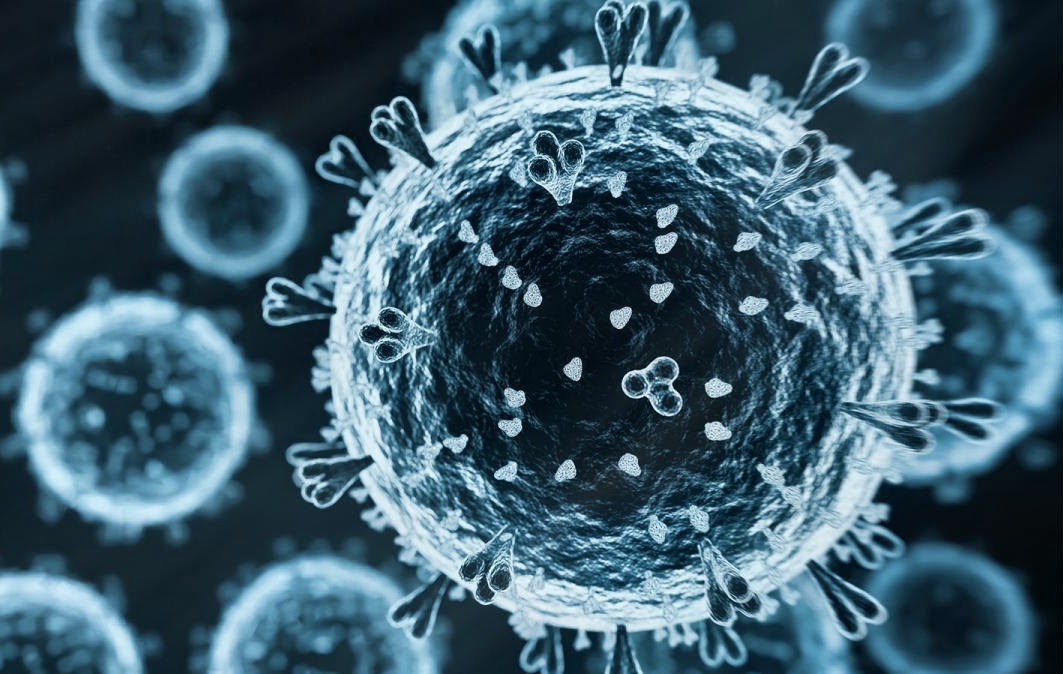
Click HereTop Image: HPAI H5N1 Virus
APWT "Out There" Gallery
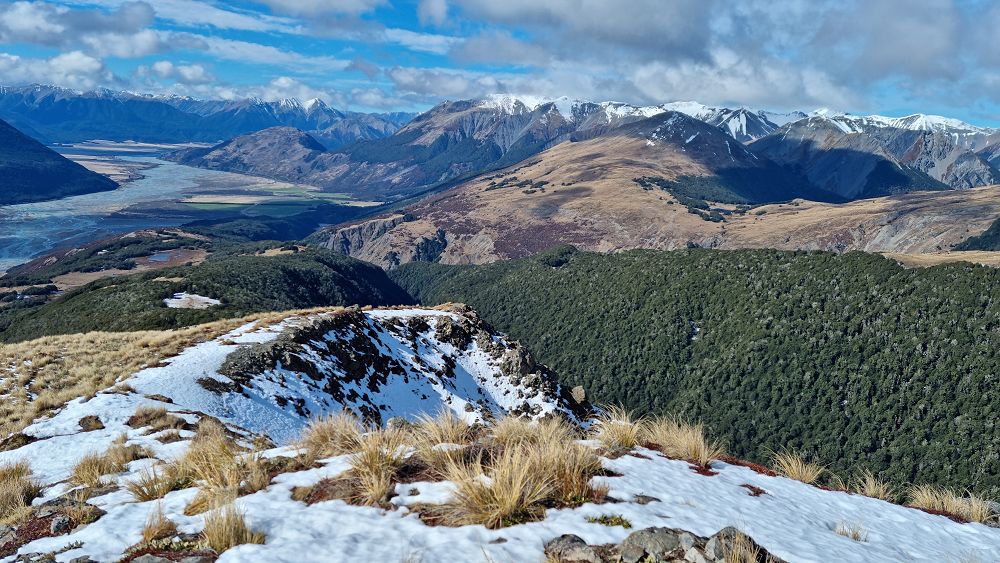 Looking back down Bealey Spur from Pt 1545m (Photo - Ian McKenzie)
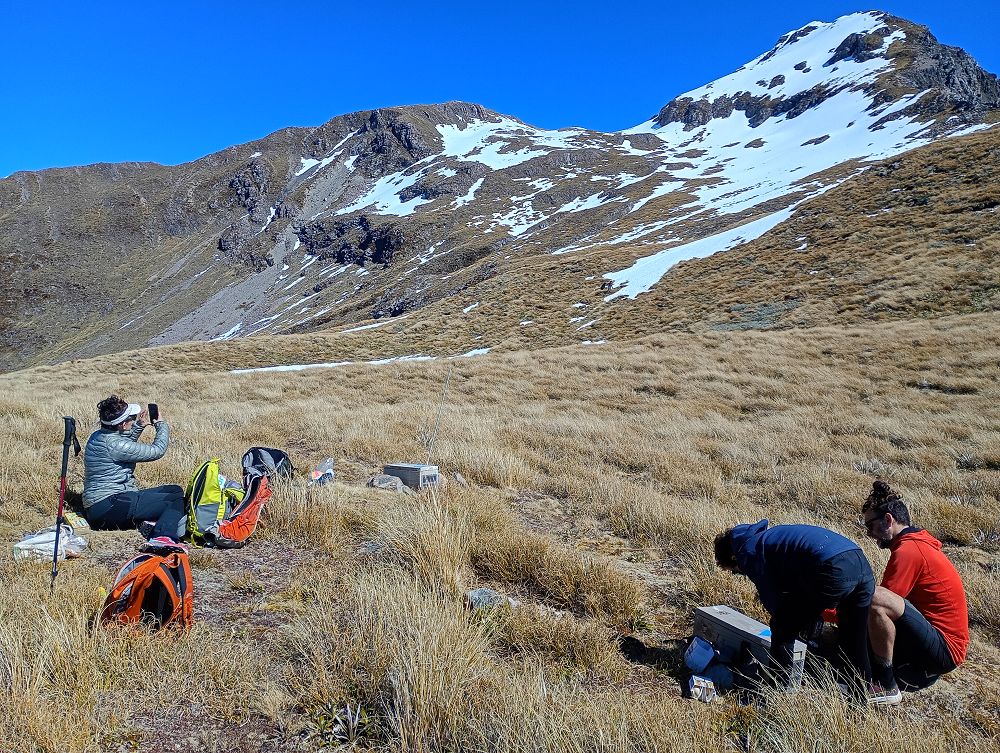 Our new volunteer family (the Bordes) checking the highest traps on Scotts track, Avalanche Peak (Photo - Graeme Kates)
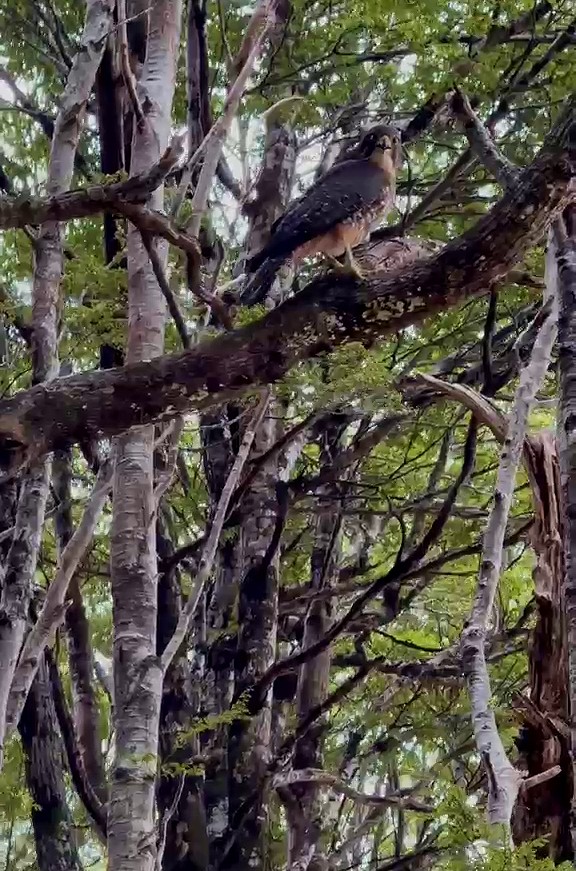 Kārearea, upper Poulter Valley (Photo - Richard Mallet)
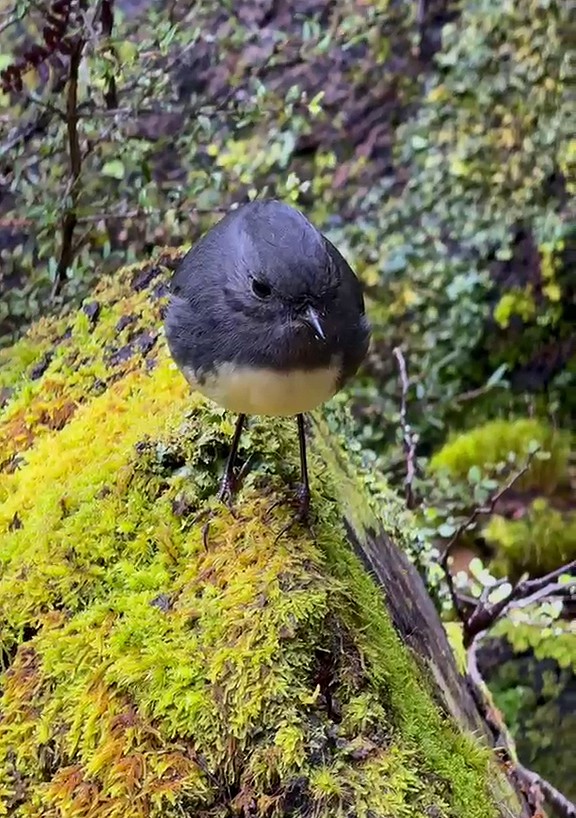 SI Robin / toutouwai, upper Poulter Valley (Photo - Richard Mallet)
 Lake Minchin and Mt Scarface Falls (Photo - Richard Mallet)
